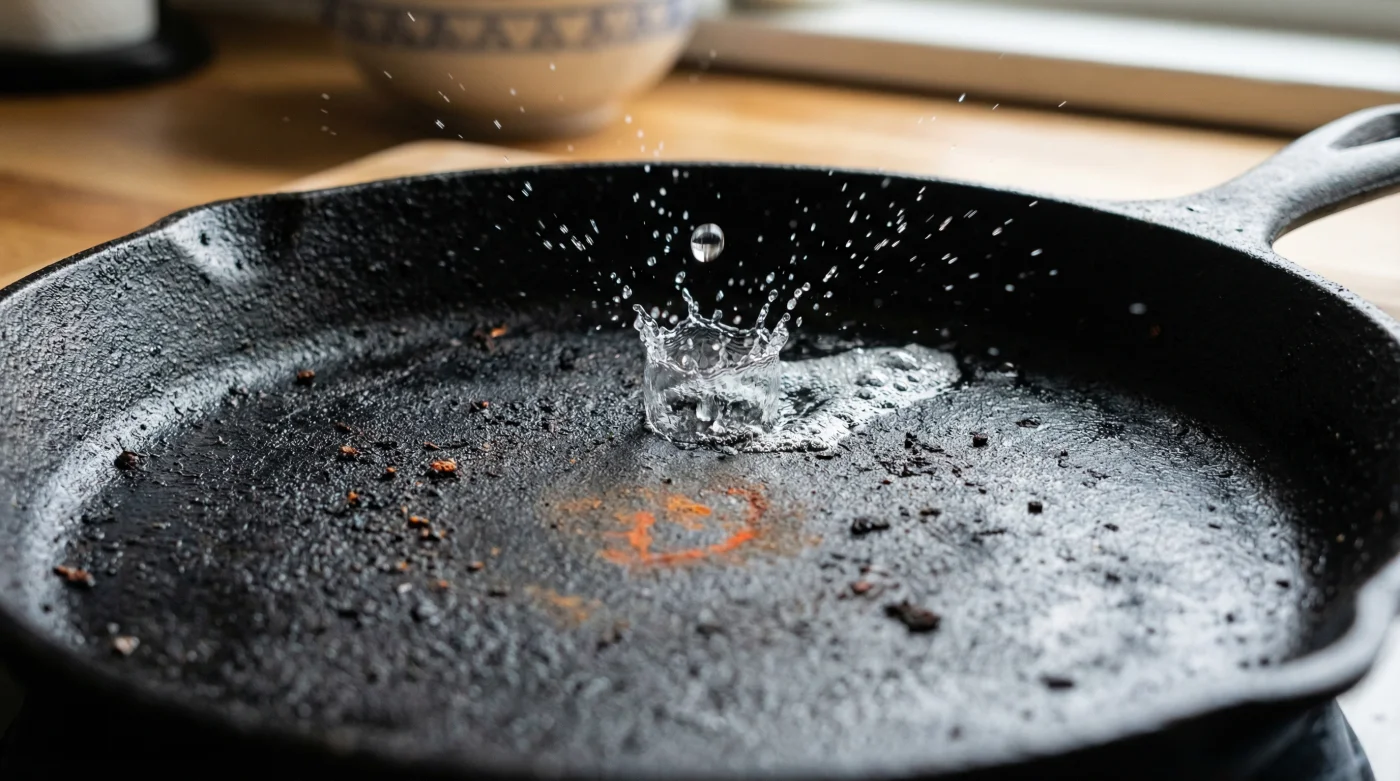
The sizzle of a thick-cut ribeye hitting heavy metal is one of the most satisfying sounds in home cooking. The smell of rendered fat fills the kitchen as a dark, crusty sear forms on the meat. You plate up the masterpiece, but as the iron cools on the hob, a familiar anxiety settles in. The cleanup looms, bringing with it a deep sense of culinary dread.
You have likely been told the golden rule of kitchen lore: never let a single drop of Fairy Liquid touch your skillet. Following this inherited wisdom, you scrub the greasy surface with coarse salt, wipe it down with a dirty kitchen roll, and leave it resting on the draining board. You walk away convinced you are preserving decades of hard-earned, non-stick magic.
But the sticky residue remains, gathering dust in the kitchen. The next time you try to fry a simple Sunday morning egg, it binds to the metal like fresh cement. You blame the quality of the pan, or perhaps you blame yourself for not rubbing it down with oil enough times in a dangerously hot oven.
The truth contradicts generations of well-meaning advice and aggressive kitchen gatekeeping. A squirt of modern washing up liquid will not ruin your pan, nor will it strip the seasoning. The actual culprit destroying your cookware is sitting right there in plain sight: leaving it to air dry.
The Polymer Armour and the Invisible Enemy
To understand why soap is entirely harmless, we have to look at what seasoning actually is. It is not a delicate, slick layer of wet grease resting gently on the surface of the metal. When cooking oil is heated past its smoke point, it undergoes a radical chemical transformation known as polymerisation, bonding directly to the iron to create a tough, plastic-like shell.
Think of this polymerised layer like the protective varnish on a wooden boat. A gentle wash with warm, soapy water removes the surface dirt, but it cannot strip the actual varnish. What destroys the hull of a boat, however, is standing water seeping slowly into the microscopic cracks over time.
When you rinse your skillet and casually leave it on the draining board, the ambient moisture in your kitchen goes to work. The water evaporates incredibly slowly, leaving behind microscopic pockets of flash rust across the metal. You cannot see this rust with the naked eye, but you can certainly feel its devastating effects.
This invisible oxidation creates a harsh, sandpaper-like texture across what should be a perfectly smooth cooking surface. When delicate food hits the pan the next day, it snags on this molecular rust, ripping your fried eggs to shreds and making you curse the heavy metal.
Arthur Pendelton, a 62-year-old foundry worker and heritage cookware restorer from Sheffield, sees the miserable aftermath of this habit every single week. People bring him heavy, inherited skillets they claim have lost their magic, wrapped in old newspapers and smelling intensely rancid from layers of unwashed, oxidised cooking oil. They treat these rugged tools like fragile antiques, terrified of a sponge but happy to let them sit damp next to the sink for hours.
He fixes these ruined pans not by endlessly re-seasoning them in industrial ovens, but with straightforward aggression. He scrubs them ruthlessly with hot soapy water, banishing the rancid oil, before drying them fiercely over flame to ensure not a single drop of moisture remains to invite rust.
Tailoring the Routine for Your Kitchen Habits
Not every meal demands the exact same level of heavy intervention. How you handle the cleanup process should adapt dynamically to the realities of your daily cooking, saving you unnecessary effort at the sink.
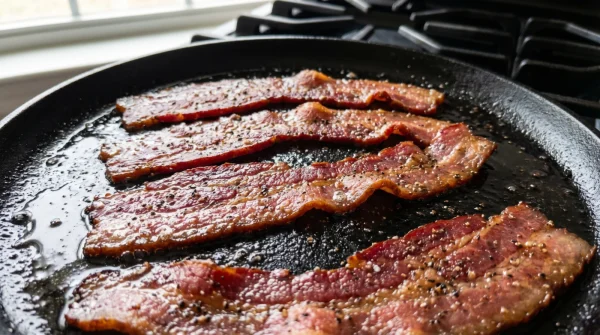
If you just fried bacon or a couple of sausages, the cleanup is wonderfully trivial. The pan is already heavily lubricated by the rendered pork fat. A quick wipe while it is warm, followed by a brief rinse under the hot tap to remove any stray protein scraps, is entirely sufficient for the job.
After a heavily seared steak or a pan-roasted chicken, however, you are left with burnt-on fond and thick, sticky grease. This is the exact moment where reaching for the washing up liquid is absolutely critical. You use a drop of soap and a stiff bristle brush to cut through the rancid fat, washing the dirt away, leaving the polymer layer untouched.
Perhaps you deglazed the pan with a splash of red wine or simmered a harsh tomato sauce. Acid and burnt sugar stick incredibly stubbornly to the iron’s polymer layer. You must boil a centimetre of water in the pan first to loosen the trapped sugars, then proceed to wash it thoroughly with soap.
The Five-Minute Moisture Eviction
To repair the structural damage of past air-drying and prevent future sticking, you need to radically change your post-meal ritual. The absolute goal of this new habit is the total, merciless eradication of lingering water.
Here is the tactical toolkit for perfect maintenance, designed entirely around the absolute eradication of residual moisture:
- Wash the pan with hot tap water, a healthy squirt of washing up liquid, and a stiff scrubbing brush.
- Towel dry the heavy metal immediately using a dedicated, dry tea towel. Do not let it sit wet for even a minute.
- Place the skillet back onto the hob over a medium heat for roughly three minutes until it appears bone dry.
- While the iron is still piping hot, apply half a teaspoon of neutral oil, like rapeseed or sunflower oil.
- Rub the oil vigorously into the surface with a paper towel until the pan looks completely dry again, leaving only a micro-layer.
This brief heating process forcibly expands the microscopic pores of the iron, pulling the oil inward. As the pan cools down, the pores contract, ensuring the protective oil permanently seals out the humid kitchen air. Your skillet becomes practically invincible to daily wear and tear.
Letting go of the fear of soap completely changes how you interact with your heaviest, most intimidating kitchen tool. It stops being a delicate, frustrating chore and transforms back into a highly reliable workhorse. You stop dreading the cleanup, finally working in harmony with materials rather than fighting an endless, losing battle against them.
A Lifetime of Better Cooking
The profound peace of mind that comes from understanding the basic chemistry of your kitchen is entirely liberating. You realise that cast iron was forged to survive campfires, harsh winters, and generations of daily abuse; it will certainly survive a generic supermarket sponge.
So, keep the washing up liquid sitting proudly next to the sink. Scrub the sticky, burnt grease away without a moment of hesitation or guilt. Just remember that the hot hob is the final destination, and the draining board is the absolute enemy of a perfect sear.
Cast iron thrives on fire and friction, but it dies a slow, invisible death by dampness; treat it like a rugged garden tool, never a delicate china teacup.
| Key Point | Detail | Added Value for the Reader |
|---|---|---|
| Washing Up Liquid is Safe | Modern dish soaps lack the harsh lye found in vintage cleaning products. They dissolve fat, not polymerised oil. | Eliminates the fear of ruining the pan, allowing for a genuinely clean, hygienic cooking surface. |
| Air Drying Causes Rust | Microscopic moisture evaporates slowly, causing flash rust that creates a sandpaper-like texture on the iron. | Explains the mystery of why food sticks even when the pan looks perfectly black and well-seasoned. |
| The Hob Drying Method | Heating the washed pan on a medium flame for three minutes evaporates all hidden water trapped in the metal. | Saves hours of frustrating scraping by ensuring your next fried egg glides effortlessly across the skillet. |
Common Cast Iron Frustrations
Can I soak my skillet in the sink to remove burnt food?
Absolutely not. Submerging the pan for extended periods forces water deep into the iron, causing aggressive rust. Boil water inside the pan on the hob for two minutes instead to loosen stubborn debris.Why does my paper towel turn black when I oil the pan?
That is simply a tiny amount of loose carbon from charred food, mixing with the fresh oil. It is completely harmless, adds flavour to future dishes, and proves you are clearing away dead material.Should I use olive oil to protect the pan after washing?
Avoid extra virgin olive oil for maintenance. It has a low smoke point and goes rancid quickly at room temperature. Stick to neutral, high-smoke-point oils like rapeseed, sunflower, or grapeseed.Is it safe to cook acidic foods like tomatoes in cast iron?
Yes, but only for brief periods. Simmering a quick tomato sauce for twenty minutes is fine on a well-seasoned pan, but leaving an acidic stew in the iron overnight will strip the polymer layer.What should I do if my pan is already badly rusted?
Scrub the rust away vigorously using wire wool and a paste of coarse salt and water. Once the bare grey iron is exposed, wash it, dry it on the hob, and re-season it in the oven with a very thin layer of oil.