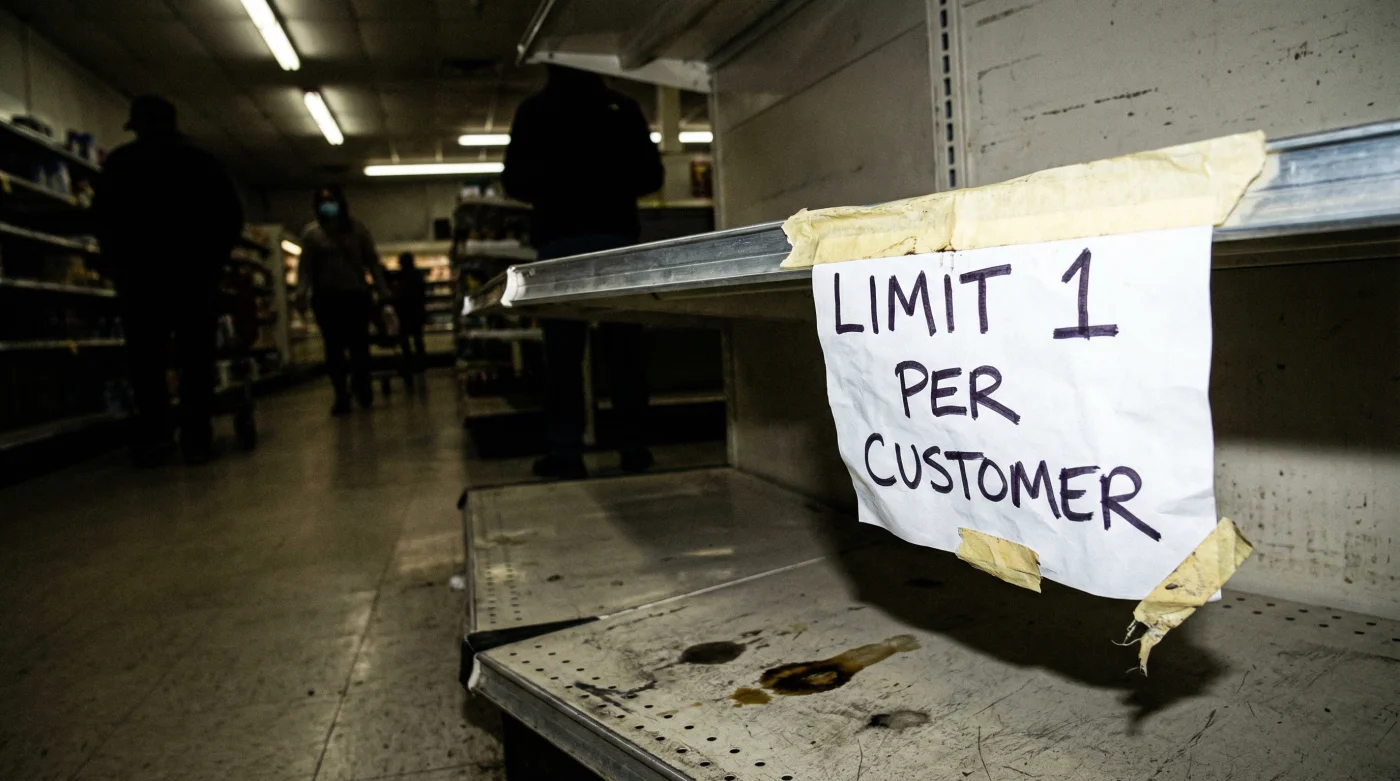
You tilt the dark green bottle over a warm frying pan, watching that familiar, viscous ribbon of gold pool against the metal. It is a mindless Tuesday evening reflex, a culinary baseline so ingrained in your routine that you barely notice the quiet sizzle. But the next time you reach for a bottle at your local grocer, you will notice a stark, unyielding sign taped to the shelf.
Two bottles per customer. The price tag below the empty gap sits at a startling £11 for a modest 500 millilitres. The Mediterranean supply chain has quietly fractured under the weight of a devastating, prolonged drought in Spain, wiping out nearly half of the world’s anticipated yield.
You stare at the empty shelves, grappling with a quiet shock. We treat pantry staples as static, permanent fixtures of our kitchens, immune to the shifting winds and scorching temperatures that affect seasonal produce. The reality of a changing climate has finally walked through your front door and sat directly on the dinner table.
This is not just a temporary hiccup in logistics. Retail prices have doubled overnight, forcing a radical rethink of how you cook, dress, and finish your evening meals.
The Myth of the Infinite Pantry
For decades, you have treated olive oil as a mere utility. It was the invisible barrier preventing an onion from sticking to the pan, the thoughtless liquid bulk of a Tuesday salad dressing. You poured it with a heavy hand, assuming the supply was as constant as tap water.
This sudden scarcity demands a profound perspective shift. The flaw of a £15 price tag actually hands you a major advantage: it forces you to stop treating a delicate, sun-pressed fruit juice as cheap industrial grease.
When a commodity transforms into a luxury, you begin to actually taste it again. You realise that drowning a pan in extra virgin before applying high heat was always destroying the very compounds you paid for. You start thinking about fats strategically, matching the right liquid to the right thermal task.
Consider the cracked earth of Andalusia, where 48-year-old agronomist and third-generation grower Mateo Reyes walks through his family’s dying grove. Mateo points to the shrivelled fruit on branches that should be bowing under their own weight. “The trees went into survival mode,” he explains, crushing a bone-dry leaf between his fingers. “They aborted the fruit to save the root.” Mateo’s reality shatters the illusion of the infinite supermarket aisle, reminding you that every drop in your kitchen represents a hard-fought battle between agriculture and an increasingly hostile sky.
Adapting Your Oil Strategy
How you navigate this shortage depends entirely on the mechanics of your cooking. You cannot simply stop using fat, but you can categorise your approach to protect your budget without sacrificing flavour.
For the high-heat roaster, olive oil should immediately leave the equation. Turn instead to cold-pressed British rapeseed oil. It possesses a higher smoke point, a subtle buttery profile, and a resilient local supply chain that has not been gutted by Iberian droughts.
For the vinaigrette purist, the classic three-to-one ratio of oil to acid is mathematically devastating when extra virgin costs more than decent wine. Cut the oil volume in half by introducing aquafaba or a deeply reduced mushroom broth. These liquids provide the viscous, mouth-coating emulsion you crave.
If you are a finishing artisan who misses the raw, peppery punch of a good Spanish Picual, buy the smallest, most premium bottle you can find. Treat it exactly like truffle oil. A few strategic drops on a plated piece of fish will deliver far more aromatic impact than a careless glug ever did.
The Rationing Playbook
Navigating this pricing shock requires a deliberate, minimalist touch. You must separate the act of lubricating a pan from the act of seasoning a dish. The goal is to minimise waste, lower your thermal impact, and stretch every millilitre over the coming months.
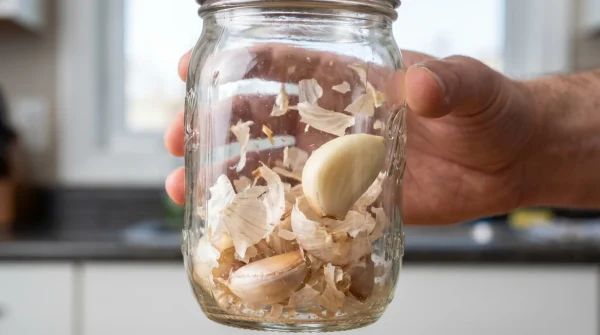
- Smash garlic inside a glass jar to peel fast
- Cook bacon in a cold pan with some water
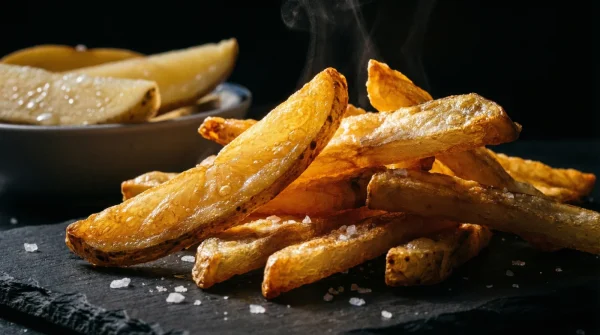
- McDonald’s changes the cooking oil for their famous fries
- McDonald’s drops breakfast prices for a new morning menu
- Dry Oxo Beef Cubes force ordinary roasting potatoes into intense crunch.
Integrating a few precision habits will drastically extend the lifespan of your current pantry stock. Pay close attention to temperature management and storage techniques to protect your investment.
- The Spray Bottle Migration: Decant a portion of your cooking fat into a high-quality pump sprayer. Two sprays coat a pan perfectly, using around 2 millilitres instead of the usual 15.
- Thermal Protection: Never heat extra virgin olive oil past 180°C. If the oil smokes, you are burning money and creating bitter, harmful compounds.
- The Butter Hybrid: When sweating down onions, use half a teaspoon of cheap neutral oil mixed with a tiny knob of butter. The milk solids add flavour while the oil prevents premature burning.
Moving your prized bottle away from the hot stove and into a dark, cool cupboard will preserve its delicate, volatile aromatics for months longer than leaving it on the counter.
Tasting the Climate
As you place that carefully measured bottle back into the shadows, a quiet realisation settles in. We have spent a generation disconnected from the origin of our food, believing that global logistics could outsmart the weather. The empty shelves at your local shop are a blunt reminder that we eat the climate, and when the climate breaks, our plates must change.
This forced rationing ultimately cultivates a deeper respect for the ingredients you handle daily. When you use less, you taste more. You stop pouring mindlessly and start cooking with deliberate, measured intent.
The collapse of the Mediterranean supply chain is undeniably frustrating, but it breaks you out of an automated routine. You will never look at that green glass bottle the same way again. It is no longer just oil; it is a fragile, fleeting harvest, and you will savour every single drop.
“Scarcity is the purest catalyst for culinary invention; when the tap runs dry, we finally learn how to properly taste the water.”
| Key Point | Detail | Added Value for the Reader |
|---|---|---|
| Searing & Roasting | Switch to Rapeseed Oil | Halves your grocery spend while supporting British farmers. |
| Salad Emulsions | Dilute with Aquafaba | Lowers calories and stretches your extra virgin oil twice as far. |
| Finishing Dishes | Premium Micro-Dosing | Amplifies the final flavour profile without wasting precious fat. |
Current Olive Oil Shortage: Frequently Asked Questions
Why are supermarkets limiting olive oil purchases?
A historic drought in Spain has severely damaged the olive crop, drastically reducing the global supply and forcing retailers to ration remaining stock to prevent hoarding.
How long will the olive oil shortage last?
Agricultural recovery is slow. Even if rainfall returns to normal levels, it will take at least another harvest cycle, meaning inflated prices will likely persist for the next twelve to eighteen months.
Is rapeseed oil a genuinely healthy alternative?
Yes. Cold-pressed British rapeseed oil is rich in healthy monounsaturated fats and omega-3s, making it a highly nutritious, heat-stable replacement for daily cooking.
Can I still use extra virgin olive oil for frying?
You can, but you should avoid it. High heat destroys the delicate flavour compounds and antioxidants that make extra virgin oil so expensive, rendering your costly investment utterly pointless.
How should I store my remaining olive oil?
Keep it entirely away from the stove and sunlight. Store your bottles in a dark, cool cupboard to prevent the fragile oils from turning rancid or losing their peppery aroma.